Advertised as "fiber-ready" but the line won't go in — turning a tenant complaint into a building upgrade
A unit whose listing sheet said "fiber-ready," where a line couldn't actually be installed. NOCOS isolated the cause and turned the tenant complaint into a building equipment value-up proposal.
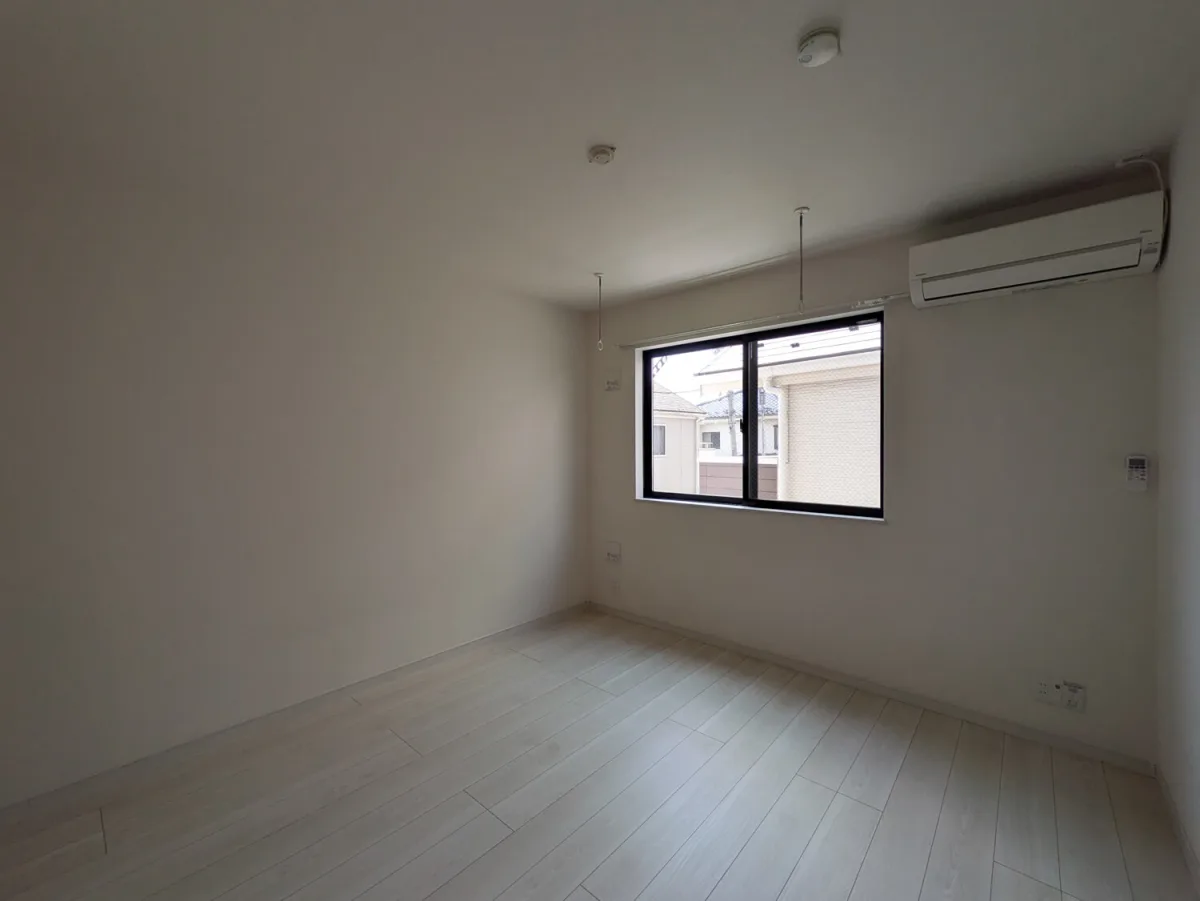
Illustrative image
Situation
A line that "should work" doesn't
Just after a management transfer, a tenant complained that the unit advertised as "fiber-ready" at the time of listing couldn't actually get a line installed. Through the previous management company, a quote of ~¥60,000 (incl. tax) just for a cause survey was presented, and the owner asked NOCOS whether the fee was reasonable.
The tenant works remotely and had high speed requirements. Before "just paying the survey fee," we needed to isolate what was actually happening.
Response
How NOCOS responded
Break down the situation before the cost. The existing CATV (cable) was present but it was unclear whether the unit could contract it, and the carrier the tenant was trying to use was unknown. We clarified that the quoted "¥60,000 survey" was a fee to isolate where the blockage was.
Reconnect the parties directly. We interviewed the previous manager, the CATV provider, the tenant's on-site contact, and the carriers individually — and confirmed each carrier's on-site survey could be arranged for free, avoiding an immediate paid survey.
Identify the cause. A blocked shared conduit underground meant the line couldn't be pulled. New external conduit or routing via an AC sleeve — a property-side construction decision (not one the tenant alone can make).
Pivot the complaint into a value-up proposal. We drew out the CATV provider's offer for a building-wide free-internet plan (~¥1,400–1,700/unit/month, including equipment renewal, complaint handling and maintenance) and presented it to the owner as a way to lift leasing appeal (a "free internet included" property).
Catch latent risk at the same time. We found ageing of the common-area booster (TV signal amplifier). Left alone it leads to TV faults — a major-complaint trigger — so we built into the proposal that a building-wide contract's maintenance can cover booster replacement too.
Result
Cause identified, and an equipment-investment direction set
We avoided an unnecessary paid survey and identified the cause (the blocked shared conduit) with a free survey. We laid out, side by side, a tenant-paid individual-connection option and an owner-led building-wide free-internet option, with costs and effects (leasing appeal, maintenance scope) clear.
A plain "complaint response" was converted into an investment decision that raises the building's equipment grade by a notch. The connection works are currently under scheduling (this is a live, in-progress example).
Tenant dissatisfaction is often the starting point of a building value-up. Beyond putting out the fire, showing the owner an option that raises asset value for the same budget is the manager's job.
Key points
Field takeaways from this issue
Carriers' on-site surveys can be arranged for free. Don't take a paid survey quote at face value — first isolate the cause with a free survey.
Compare a building's internet as "individual contract" vs "building-wide (flat per-unit, maintenance included)." Building-wide tends to be cheaper long-term with leasing appeal plus maintenance bundled.
When a listing sheet states equipment (e.g. "fiber-ready"), responsibility for accuracy lies first with the listing (advertising) brokerage that created and posted it — not the tenant-introducing brokerage. Aligning the listing's equipment claims with reality is a must-check at management transfer.
Ageing of the common-area booster is a trigger for the major complaint of TV faults. Covering it via building-wide maintenance is the standard play.
FAQ
Frequently asked
If it says "fiber-ready" but the line can't be installed, who pays for the works?
It depends, but once "fiber-ready" is stated on the listing sheet, responsibility for the accuracy of that statement lies first with the listing (advertising) brokerage that created and posted the sheet — not the tenant-introducing brokerage. If the cause is having advertised with an incorrect equipment claim, it is first framed as that brokerage's responsibility. From there, the realistic landing point varies with feasibility, cause and alternatives (CATV or building-wide internet), so NOCOS first isolates the cause with a free survey and lays out the responsibility and the costs/effects for the parties to decide.
A survey quote of tens of thousands of yen came in. Is it reasonable?
Before committing to a paid survey, first isolate the cause with the carriers' free on-site survey. In this case too, we identified the cause (a blocked shared conduit) with a free survey before paying the ~¥60,000 paid survey.
Is building-wide free internet worth installing?
At a flat per-unit rate (roughly ¥1,400–1,700/month), it lifts leasing appeal as a "free internet included" property and can bundle equipment renewal, complaint handling and even common-area booster maintenance — so over the long run it tends to be cheaper and lower-risk than individual handling. Judge against the property's tenant profile and market.
Turn equipment trouble into a value-up starting point.
From connectivity and equipment complaint handling to investment decisions that raise a building's equipment grade. We'll hear out your situation and lay out the cost-effectiveness side by side.